


.svg)
.jpg)
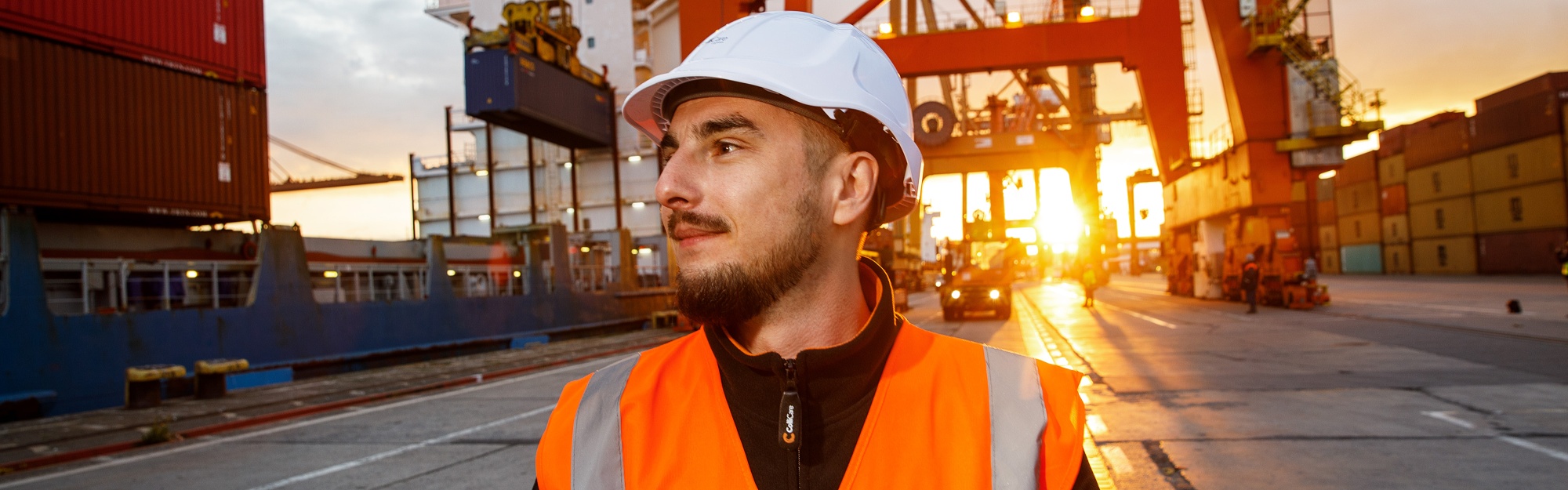

Sea freight
Global sea freight network
As a ColliCare customer, you gain access to an extensive global sea freight network. With our own local offices in China, India, key European ports and agents at all major global hubs, we ensure reliable sea freight services worldwide:
- FCL (Full Container Load)
- LCL (Less than Container Load)
- Reefer, dry, and special cargo
- Consolidation and cross‑docking
- Customs clearance
- Track & trace from order to delivery
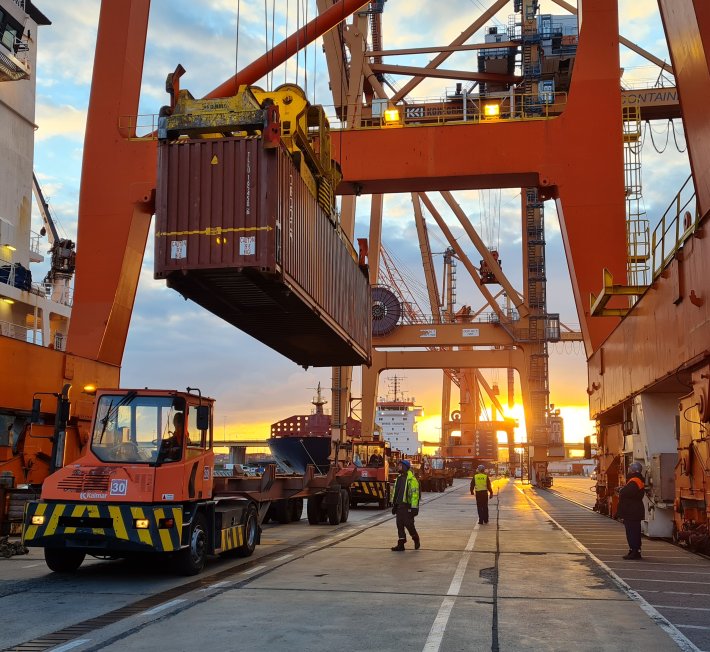
Our Sea freight services
- Sea freight in Europe (Shortsea)
- Sea freight to/from Asia (Deep sea)
- Sea freight across the globe
- Cross-docking
- Customs clearance
- Track & Trace
Why choose sea freight with us?
Sea freight is a smart choice for companies looking to reduce freight costs, lower CO₂ emissions, and ensure predictable deliveries. You may benefit from:
- Lower freight costs
- Reduced CO₂ emissions
- Predictable departures and arrivals
- Less road tolls and taxes
- Full logistics visibility
A greener way to ship
Global trade fuels business growth, but it also brings environmental challenges.
Sea freight offers a more sustainable alternative to road and air transport, helping businesses reduce their carbon footprint while transporting large cargo volumes efficiently.
Cost-effective, reliable, and flexible, sea freight remains a key component of successful global logistics.

FAQ – Sea freight
What are the advantages of sea freight?
Sea freight offers many advantages, including lower shipping costs, reduced tolls/road taxes, reduced CO₂ emissions compared to air freight, high cargo capacity, and flexible shipping options for a wide range of goods. This makes sea freight a good alternative to road transport, especially for long-distance shipments.
What is the difference between FCL and LCL shipping?
FCL (Full Container Load) means your goods occupy an entire container, while LCL (Less than Container Load) means your shipment shares container space with other cargo. FCL is often preferred for larger shipments, while LCL can be a cost-effective solution for smaller volumes.
Can I track my sea freight shipment?
Yes. We offer advanced shipment tracking through our online Track & Trace system, providing visibility and updates throughout the transportation process.
Is sea freight more environmentally friendly than air freight?
Yes. Sea freight generally produces significantly lower CO₂ emissions than air freight, making it a more sustainable transport option for international shipping.
What types of cargo can be shipped by sea?
Sea freight is suitable for a wide range of cargo, including industrial goods, retail products, machinery, raw materials, and other containerized shipments. The most suitable solution depends on the type, volume, and destination of your goods.
Can sea freight be combined with other transport modes?
Yes. Sea freight can be integrated with road, rail, and warehousing services to create flexible intermodal transport solutions and optimize your supply chain.

Tomas Mikalavičius
Operations Sea & Air & Rail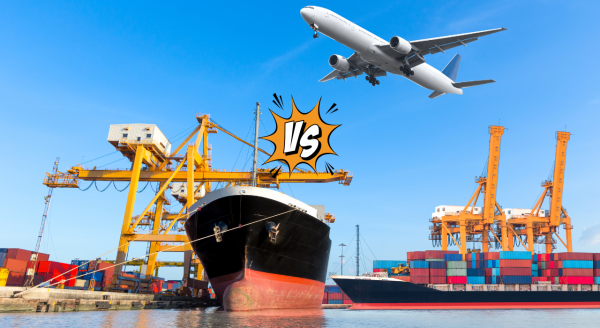
Didn't find what you were looking for?

Contact us
We're happy to help!

Price request
Need a transport quote? Challenge us.