




Storage
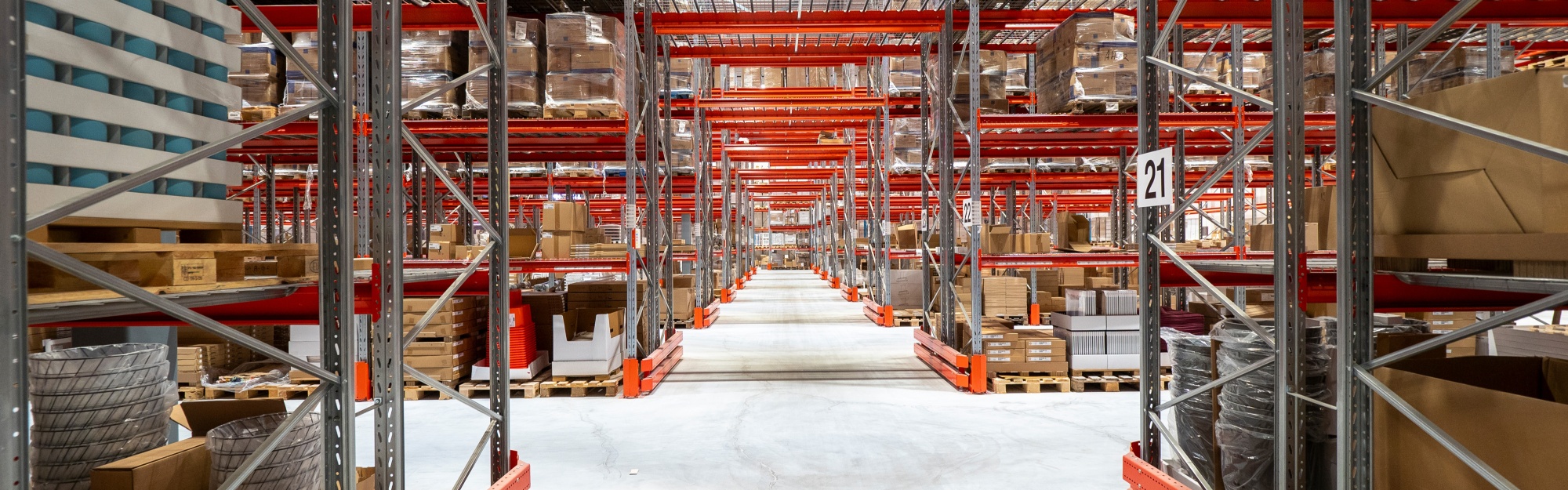
We offer warehousing and third-party logistics (3PL) services in Klaipėda for companies exporting, storing, and distributing goods that require seasonal storage or long-term warehousing.
3PL, third‑party logistics
Third‑party logistics (3PL) refers to outsourcing all or selected parts of your logistics operations to a specialised partner. This typically includes warehousing, order fulfilment, and distribution, supported by integrated systems and operational expertise.
For many companies, 3PL is not only a cost model – but a way to improve scalability, service levels, and supply chain performance without investing in internal infrastructure.
In practice, 3PL solutions are used to:
- optimise inventory flow and warehouse utilisation
- handle seasonal variations and volume fluctuations
- streamline order fulfilment and distribution
- reduce operational complexity
What does it cost to outsource warehousing?
With 3PL, you only pay for what you use. There are no fixed warehouse costs.
Pricing is typically based on:
- Storage space (pallets, bins, or volume)
- Inbound handling (receiving goods)
- Picking and packing of orders
- Outbound shipments
This gives you a flexible cost structure that adapts to your business activity.
5 reasons to outsource warehousing and logistics
- Cost aligned with usage – lower fixed expenses
- Access to logistics expertise and professional support
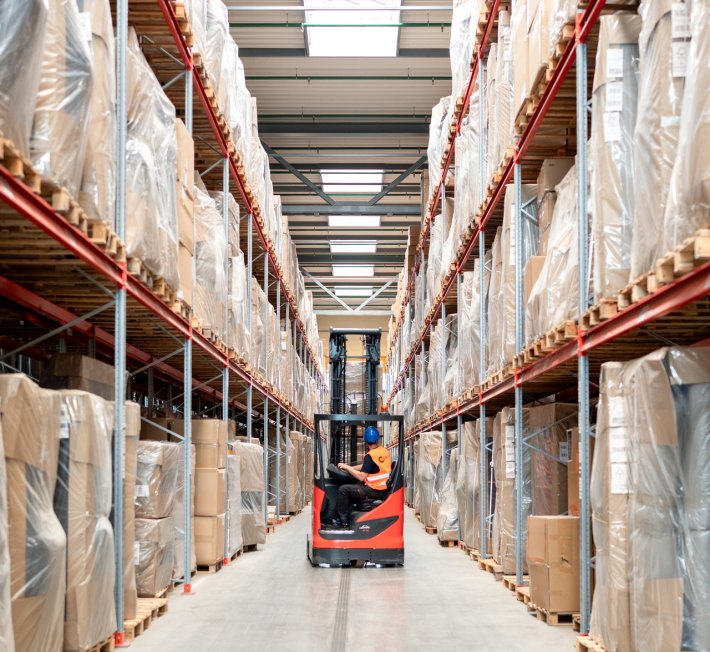
- Modern warehouses with efficient handling
- A more competitive and scalable logistics setup
- No staffing or HR challenges
Complete real-time warehouse management with WMS (Nyce)
We use the highly reputable and user-friendly warehouse management tool Nyce WMS. The system provides you with a total overview and can be integrated directly with your ERP system to reduce manual handling, ensure correct picking, and provide an optimal flow in warehouse operations.
- Multi-management in one system: Manage multiple warehouse locations, customers, countries, and languages within a single interface.
- Real-time transaction tracking: Follow all events at the warehouse, including receipts, internal movements, and ongoing inventory adjustments.
- Item and customer registry: Search down to the item level, and set up, edit, or delete items and customers smoothly.
- Order and delivery control: Easily create or change order statuses and reconcile incoming orders against actual item deliveries.
- Documentation and labelling: Automatic handling of scanning, labelling, freight lists, and international CMR documents.
Storage solutions
We offer a range of storage solutions tailored to different goods, volumes, and handling requirements.
Goods are stored based on criteria such as weight, volume, height, turnover frequency, product type, and hazardous classification.
Small items and long goods are typically stored in shelving systems, while palletised goods are stored in racking systems adapted to the product dimensions.
All goods are secured in accordance with warehouse regulations using wrapping or strapping to ensure safe handling and storage.
We offer flexible storage solutions for oversized, heavy, or irregular goods, both indoors and outdoors.
ColliCare operates approved bonded warehouses in accordance with applicable customs regulations.
Strict requirements apply regarding:
- which goods can be stored
- how long goods may remain in storage
- compliance with customs regulations and procedures
Cross-docking
Cross-docking enables more efficient logistics flows by eliminating unnecessary storage costs.
How it works:
- We receive shipments from your suppliers
- Goods are repacked, consolidated, labelled and scanned
- A single shipment is sent directly to your customer
This results in a cost-effective and efficient solution, both for you and your customers.
In house logistics vs logistics partner
As companies grow, many face a common question: should logistics be managed in-house or with a specialised logistics partner?
This decision often covers not only transport, but also warehousing, inventory management, and other 3PL services. Choosing between in-house logistics and a logistics partner is not about right or wrong models, but about understanding how your business operates today.
FAQ – Warehousing, 3PL and logistics
When you outsource your warehouse operations, you only pay for what you use – there are no fixed costs.
Pricing is based on your activity level and specific needs. You typically pay for storage space used and the services performed, such as handling, picking and packing.
This makes warehousing costs flexible and scalable, especially for seasonal or growing businesses.
Third-party logistics (3PL) warehousing means outsourcing your storage and logistics operations to a professional provider.
3PL is a good fit if you have varying storage needs or require flexible warehouse capacity. Your storage costs will adapt to your usage and seasonality, while a professional team handles order processing, picking and packing.
A Warehouse Management System (WMS) is software used to manage and optimise warehouse operations.
With a WMS, you can:
- place and track orders
- monitor stock levels
- gain full visibility of inventory status
The system ensures efficient warehouse processes and better control of your logistics flow.
Yes, we offer a wide range of value-added services to support your supply chain.
These include:
- labelling and relabelling
- repacking
- quality control
- cross-docking and consolidation
Yes, our warehouse systems can be integrated with your ERP or order management system.
This enables seamless data exchange, automatic order processing, and a more efficient workflow across your logistics operations.
Yes, our warehousing solutions are designed to scale with your business.
We offer flexible capacity that can increase or decrease based on demand, making it easier to manage seasonal variations and growth without investing in your own infrastructure.
4PL (Fourth‑Party Logistics) is a more advanced logistics solution where a provider takes responsibility for managing and optimising your entire supply chain.
While a 3PL focuses on specific logistics services such as warehousing and distribution, a 4PL acts as a strategic partner. This can include coordinating multiple logistics providers, managing systems and data, and improving overall supply chain performance.
With a 4PL solution, you can focus on your core business while your logistics partner handles planning, integration and continuous optimisation.

Kajus Kazlauskas
Sales ExecutiveDidn't find what you were looking for?

